
Electrical Enclosure Selection Handhook
Sep 04,2025
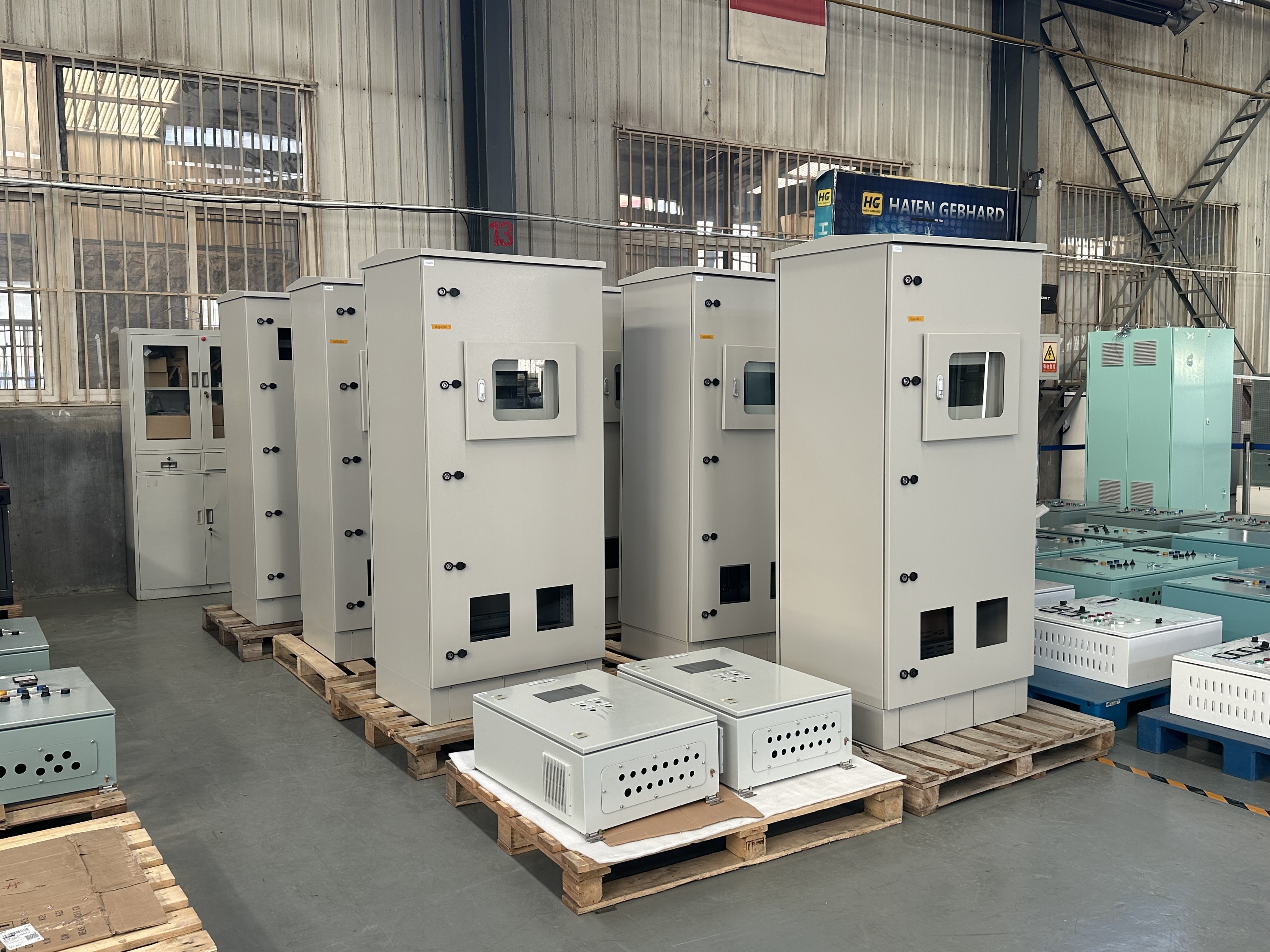
What is Electrical Enclosure
An electrical enclosure is a specialized housing structure, commonly made of metallic materials. Its primary function is to protect internal electrical components from external factors such as dust, rainwater, oil contamination, corrosive gases, and mechanical impacts.
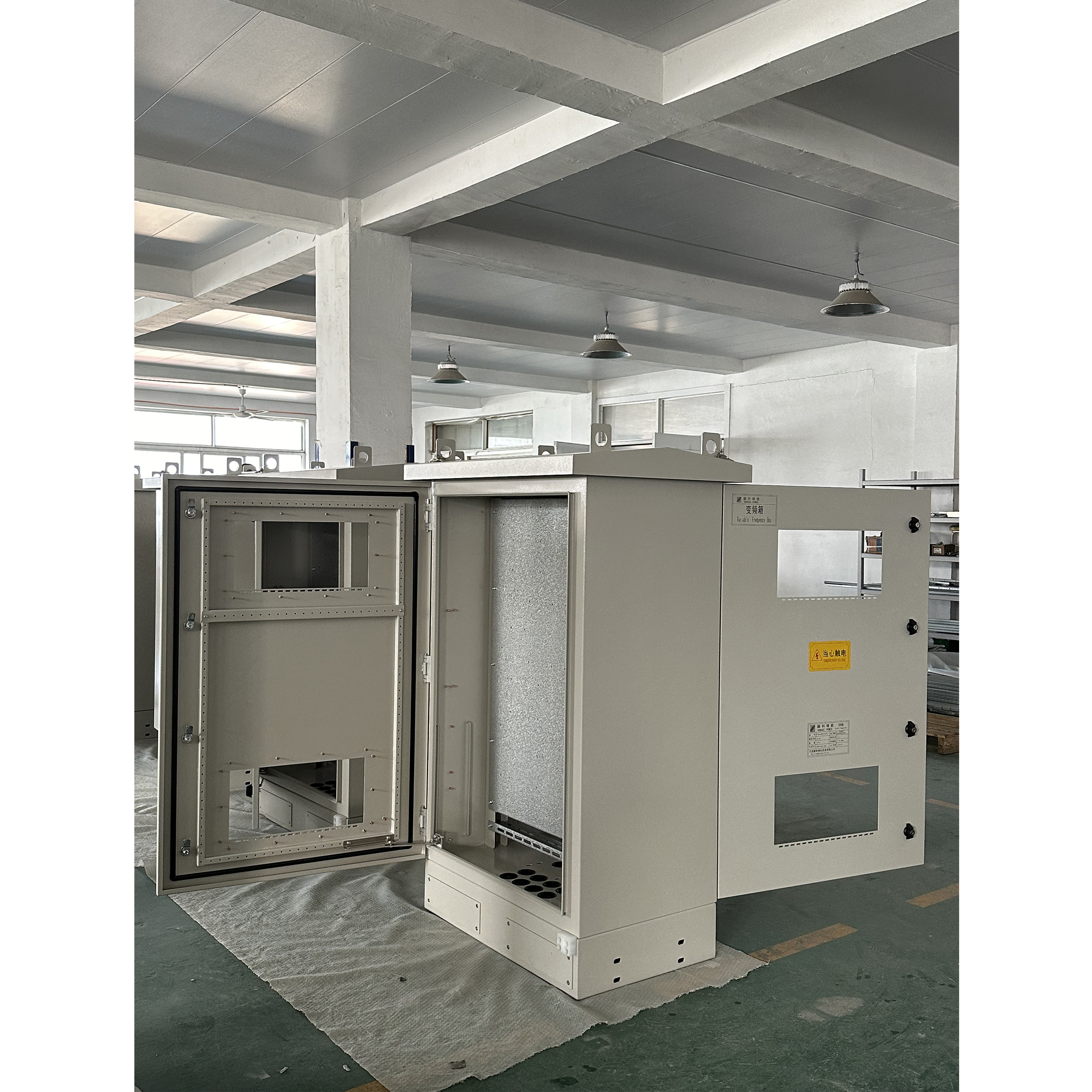
●Enclosure Body: As the core structure, it is typically fabricated from cold rolled steel (CRS), stainless steel (Grade 304/316), or engineering plastics. Its thickness and material shall be selected based on the severity of the service environment and requirements for mechanical strength.
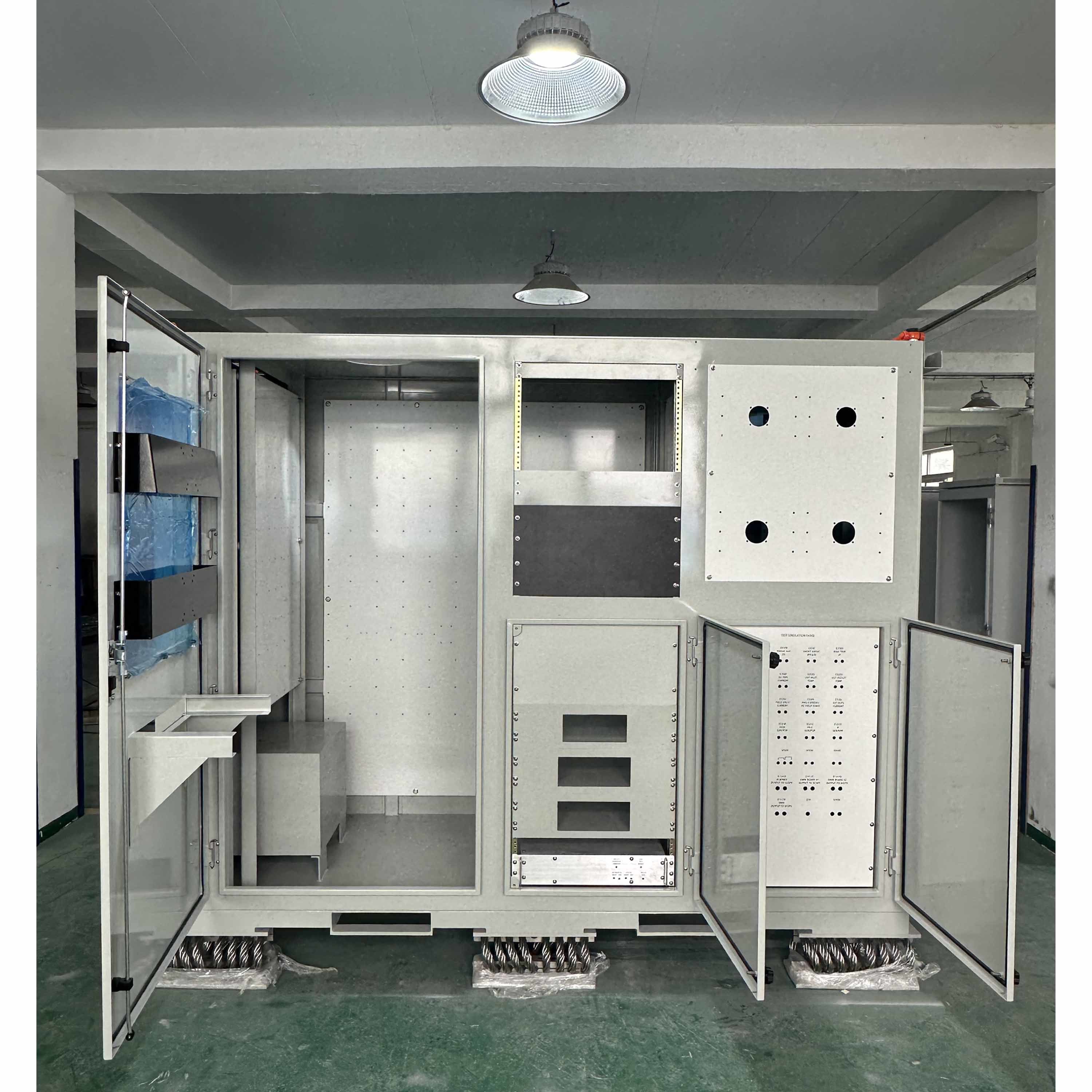
●Door Assembly: Equipped with locks (for misoperation prevention) and gaskets (to ensure the protection level); some door assemblies are also fitted with observation windows (e.g., tempered glass), allowing inspection of the internal status without opening the door.
●Internal Mounting Structure: Comprises DIN rails (for mounting standard components), fixed brackets, and cable management clips. It serves to secure components and organize wiring, thereby preventing faults caused by disorganized cabling.
Main Types of Electrical Enclosure
Classification by Material
Metal Enclosure
The base material is cold-rolled low-carbon steel (CRS), featuring moderate hardness, easy processability, and strong mechanical stability at room temperature. It is suitable for general industrial environments or indoor environments. Electrostatic spraying or phosphating treatment can be adopted to enhance rust resistance.
With cold-rolled steel as the base material, a zinc coating is formed on the surface for protection through Hot-Dip Galvanizing (HDG) or Electro-Galvanizing (EG) processes, resulting in better corrosion resistance.
Hot-dip galvanized coating has strong adhesion and can be additionally sprayed with a passivation layer;
Electro-galvanized surfaces are smooth and often combined with chromate passivation to improve corrosion resistance.
The mainstream models are 304 and 316. It has strong corrosion resistance (316 offers superior salt spray resistance), but the cost is relatively high. It is suitable for use in chemical industry, coastal areas, and outdoor highly corrosive environments.
Common surface treatment methods include brushing or mirror polishing; in some scenarios, passivation treatment (to enhance corrosion resistance) is applied, and no additional painting is required.
●Aluminum Alloy Enclosure
The main models are 6061 and 5052. It is suitable for scenarios requiring lightweight properties, with a density only 1/3 that of steel. It has good thermal conductivity but lower strength than steel.
Generally, anodization is used as the surface treatment method to form a wear-resistant and corrosion-resistant oxide film, which can be colored (e.g., silver, black).


Plastic Enclosure
The core advantages of plastic enclosures lie in their excellent insulation performance (eliminating the need for additional insulation treatment), light weight (only 1/2 to 1/3 that of metal enclosures, facilitating installation and transportation), and relatively cost-effectiveness. There are two commonly used types as follows:
●ABS Plastic Enclosure
They feature easy processability and low cost, and their mechanical strength at room temperature can meet basic requirements. However, they have poor temperature resistance and weak weather resistance.
●Polycarbonate (PC) Plastic Enclosures
They boast high impact resistance, excellent high-temperature resistance, and better weather resistance than ABS; additionally, they can be made into transparent observation windows. Nevertheless, their cost is higher than that of ABS enclosures.
They are suitable for outdoor or high-temperature environments, such as outdoor EV charging pile enclosures and street light control boxes.
Classification by Protection Level
The IP Rating and NEMA Rating are the two core protection standards in the global electrical enclosure field, derived from the international general system and the North American regional system respectively.
Both are used to define the enclosure’s protection capability against solid foreign objects (such as dust) and liquids (such as water and oil). However, there are significant differences between them in terms of formulating organizations, protection scopes, and application scenarios.
IP Rating
The full name of IP Rating is Ingress Protection Rating, formulated by the International Electrotechnical Commission (IEC) with the standard number IEC 60529. It is a globally applicable protection rating standard for electrical equipment.
Its core function is to only classify two types of risks: "solid foreign object ingress" and "liquid ingress", and it does not cover special environmental requirements such as explosion protection, temperature resistance, and corrosion resistance.
The IP Rating consists of "IP + two digits". The first digit represents the "solid foreign object protection level", and the second digit represents the "liquid ingress protection level". The higher the digit, the stronger the protection capability.
NEMA Rating
The full name of NEMA Rating is National Electrical Manufacturers Association Rating, formulated by the National Electrical Manufacturers Association (NEMA) with the standard number NEMA 250. It is a mandatory or preferentially adopted protection standard for electrical enclosures in North America (the United States and Canada).
Its protection scope far exceeds that of the IP Rating. In addition to dust and water protection, it also covers special environmental requirements such as corrosion resistance, impact resistance, explosion protection, and high-temperature resistance, which is more in line with the complex needs of North American industrial scenarios.
The NEMA Rating is centered on "digits" (ranging from 1 to 63), and some ratings are paired with letters (e.g., 4X, 12K) to further specify special protection capabilities. Different digits correspond to "comprehensive protection scenarios".

Classification by Installation Method
Wall-Mounted Electrical Enclosures
Installation Method: Fixed to walls/columns via brackets or fasteners.
This installation method greatly saves floor space, and internal wiring is mostly routed in and out from the back or bottom.
It is suitable for indoor and outdoor scenarios with limited space, such as residential distribution boxes, small workshop lighting control boxes, and outdoor wall-mounted EV charging pile enclosures.
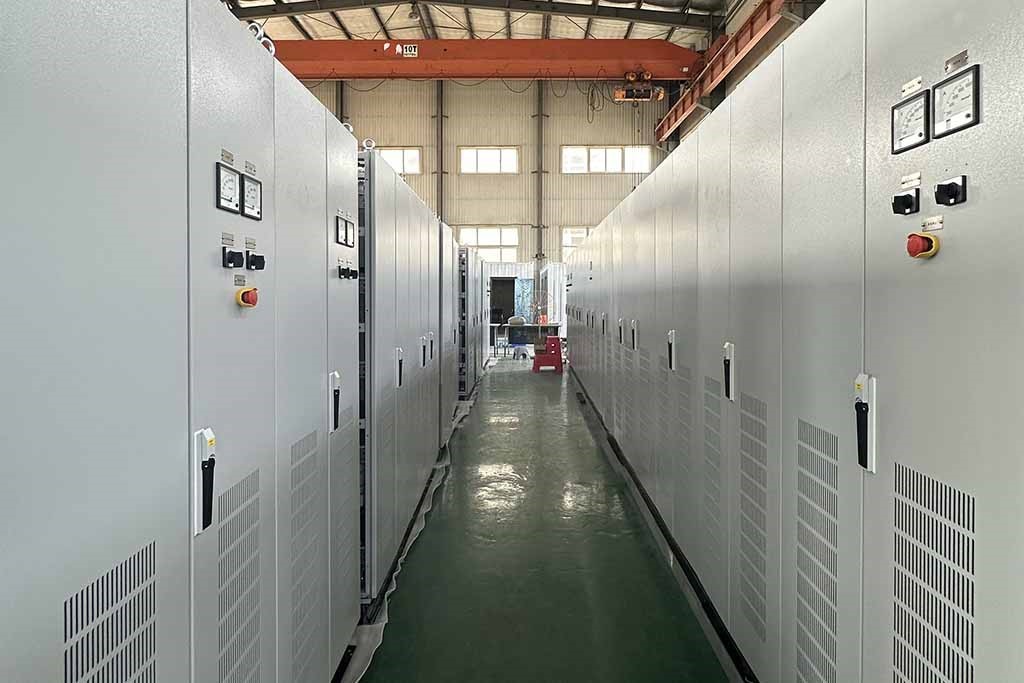
Floor-Mounted Electrical Enclosures
Installation Method: Placed directly on the ground or fixed to the ground via a base.
The core features of this installation method include large volume and high load-bearing capacity, which allow it to accommodate a large number of electrical components. Cable entry and exit ports are generally pre-reserved at the bottom.
It is applied in industrial large-scale equipment (e.g., low-voltage switchgear and control cabinets, power distribution room cabinets) and heavy-duty electrical systems that require independent placement.
Flush-Mounted Electrical Enclosures
Installation Method: Partially or fully embedded in walls, with only the operation panel exposed.
The advantages of this installation method are neat appearance, no occupation of external space, and stronger protection performance.
It is suitable for scenarios that have requirements for space neatness and appearance.
Main Applications of Electrical Enclosure
Industrial Field
●Manufacturing Industry
●Energy Industry
●Chemical Industry
Communications Field
●Base Station Equipment
●Data Center
Transportation Field
●Automotive Industry
●Rail Transit
●Shipbuilding Industry
How to Choose the Right Electrical Enclosure
Considering Application Environment Factors
Ambient Temperature and Humidity
Electrical enclosures with appropriate heat dissipation or thermal insulation performance shall be selected based on the temperature range of the specific service environment. For instance, in outdoor high-temperature environments, enclosures with a well-designed heat dissipation structure are required;
whereas in low-temperature environments, it is necessary to check whether the electrical enclosure adopts thermal insulation materials or heating devices, so as to ensure that the internal electrical components operate within the normal working temperature range.
Dust and Foreign Objects
Dust can severely impair the performance and service life of electrical components; therefore, electrical enclosures with a higher dust protection rating shall be selected for use in dusty environments.
Meanwhile, in consideration of the convenience of enclosure cleaning and maintenance, it is preferable to adopt a design featuring detachable dust filters or easy-to-clean surface structures.
Chemical Corrosion
If the equipment is situated in an environment with chemically corrosive gases or liquids, electrical enclosures made of corrosion-resistant materials shall be selected based on the type and concentration of the corrosive medium.
For example, stainless steel (Grade 304 or 316), when combined with appropriate surface protection treatments, can further enhance the corrosion resistance effect.
Mechanical Shock and Vibration
For electrical enclosures installed on equipment with high vibration or in locations susceptible to mechanical shock, those with excellent shock resistance and vibration resistance performance shall be selected.
Examples of such designs include the use of high-strength materials and internal vibration damping structures, which ensure the stability and reliability of electrical equipment in vibration and shock environments.
Electrical Equipment Requirements
Size and Space
Based on the size and quantity of electrical equipment, electrical enclosures with sufficient internal space shall be selected to ensure that there is reasonable wiring space, operation space, and maintenance space after equipment installation.
Meanwhile, potential future equipment upgrading and expansion needs shall be considered, and a certain amount of space margin shall be reserved.
Protection Level Matching
It is crucial to select the corresponding electrical enclosure protection rating.
For example, for electrical equipment that needs to be used outdoors and exposed to rainwater, enclosures with an IP54 or higher waterproof rating shall be chosen.
Heat Dissipation Requirements
If the electrical equipment generates a large amount of heat during operation, electrical enclosures with excellent heat dissipation performance shall be selected.
The timely dissipation of heat generated by the equipment can be ensured through the enclosure’s heat dissipation area, heat dissipation method, and internal ventilation structure design, so as to prevent equipment failure caused by overheating.
Convenience of Installation and Maintenance
Installation Method
To ensure the smooth installation of electrical enclosures as well as the stability and safety after installation, it is essential to determine in advance the installation location and the environmental conditions around the installation site.
Common mounting methods include wall-mounted type, floor-mounted type, flush-mounted type, among others, and the appropriate one should be selected based on actual conditions.
Maintainability
To enhance the efficiency of subsequent maintenance work, it is preferable to select electrical enclosures with structural designs such as cabinet doors easy to open and close, and removable side panels—these features facilitate daily maintenance, inspection, and troubleshooting of internal electrical equipment.
Meanwhile, the internal layout of the enclosure should be rational, and it is advisable to adopt a modular design; this ensures that the installation positions of electrical components allow for convenient operation and replacement.
Markings and Labels
Electrical enclosures with clear markings and labels help operators quickly identify information such as internal equipment functions, wiring connections, and maintenance precautions, thereby facilitating the operation and management of the equipment.
When selecting an electrical enclosure, attention should be paid to whether reserved spaces for these (markings and labels) are provided and the durability of the markings and labels. You may contact the manufacturer to customize the identification information.
Cost and Budget
The core of electrical enclosure procurement does not solely involve considering the initial purchase cost, but also includes long-term maintenance costs.
To obtain the most cost-effective solution, on the premise of meeting all essential requirements of the electrical enclosure, one should compare factors such as material, specification, and protection level, comprehensively evaluate performance and price, and select products with relatively high cost-performance ratio.
●If the operating environment is mild, cold-rolled carbon steel (CRCS) can be selected; it features lower cost and can still meet basic protection needs.
●If the operating environment is harsh, stainless steel material is more appropriate. Although it has a higher initial purchase cost, its long-term maintenance costs are lower.
●It is sufficient to determine the minimum necessary protection level based on the actual environment; there is no need to blindly pursue a high protection level.
Tips: Excessively low prices may entail potential risks in quality and performance; avoid pursuing low prices at the expense of product quality.
Conclusion
Electrical enclosures are by no means simple "protective boxes"; they are core components that support the safe and reliable operation of electrical systems across industries such as industry, new energy, and outdoor infrastructure (e.g., EV charging piles, communication base stations).
They not only isolate external risks like dust, rainwater, and mechanical impacts but also prevent internal components from being damaged due to environmental corrosion or accidental collisions, fundamentally extending equipment service life and serving as the "first line of defense" for ensuring the stable operation of electrical systems.
As a professional sheet metal custom processing manufacturer with 32 years of experience deeply engaged in the electrical enclosure field, Yinlu is equipped with advanced processing equipment including multiple CNC bending machines, laser cutting machines, laser pipe cutting machines, and automated spraying production lines.
We can accurately realize the customized production of enclosures made of different materials, meeting needs ranging from standard sizes to special irregular structures. Moreover, we provide full-process technical support covering scheme design, material selection, and protection level matching.
PREVIOUS:



E-mail:Sales@innometalfab.com
Whatsapp: +86 18624351618
Add:Yangquanzi Village, Gezhenpu Town, Ganjingzi District, Dalian, Liaoning

Request Quote